


Top Web Design Trends Every Developer Should Know in 2026
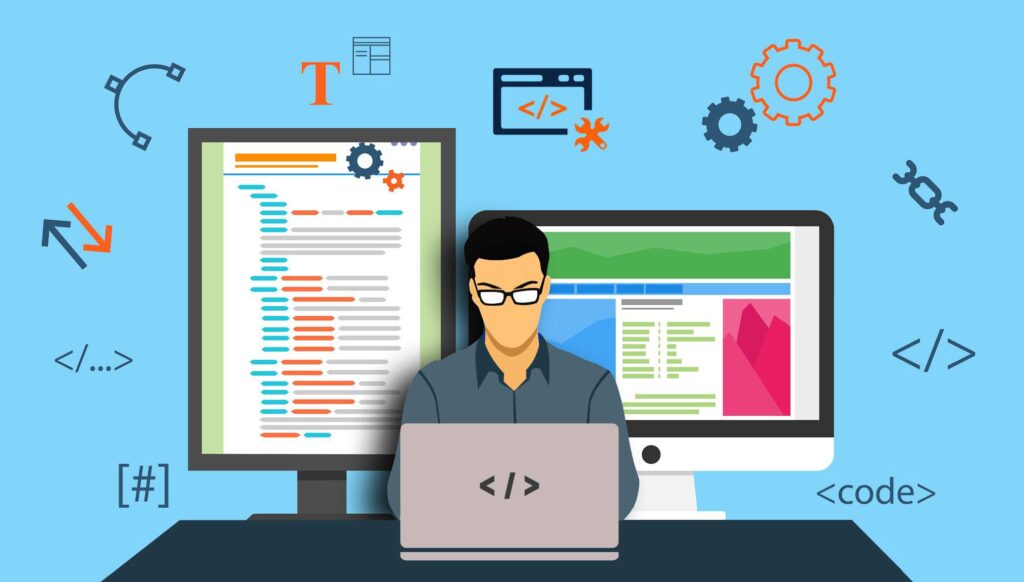
Web Design is constantly evolving. With new technologies, user expectations, and AI innovations, developers must stay updated to create modern, responsive, and engaging websites. In 2026, mastering the latest web design trends is crucial for building websites that deliver exceptional user experiences.
Machine Learning, AI, and immersive experiences are changing the way we approach web design, making it more personalized, faster, and visually appealing. Here’s what every developer should know.
AI-Powered Web Design
One of the most visible applications of Machine Learning in e-commerce is personalised product recommendations. Platforms like Amazon, Flipkart, and Netflix use algorithms to analyse what users view, like, and buy — then recommend products tailored to each individual.
Fact: AI-powered web design tools can reduce development time by up to 30%.
Developer Tip: Use AI-assisted platforms like Wix ADI or Bookmark to prototype designs faster and experiment with user-centric layouts.
AI adoption in web design over time:
Mobile-First and Responsive Web Design
Google’s mobile-first indexing makes mobile-friendly web design critical for SEO. Websites must work seamlessly on smartphones, tablets, and desktops.
Fact: Over 60% of global web traffic comes from mobile devices.
Developer Tip: Use frameworks like Bootstrap 5 or Tailwind CSS to simplify responsive layouts.
In 2026, responsive web design is no longer optional. Developers should prioritize touch interactions, fast-loading images, and accessible content for all screen sizes.
Dark Mode and Accessibility
Dark mode is here to stay, improving readability, reducing eye strain, and saving energy on OLED screens. Combining dark mode with accessibility-first design ensures your website is usable by everyone.
Fact: Over 60% of global web traffic comes from mobile devices.
Developer Tip: Use WCAG guidelines to create accessible web designs with proper contrast, font sizes, and navigation.

Minimalist Animations and Microinteractions
Animations and microinteractions enhance the user experience when done subtly. Hover effects, button animations, and scroll-triggered transitions can guide users and make interactions more engaging.
Fact: Well-placed animations can increase click-through rates by 15–20%.
Developer Tip: Tools like LottieFiles or GSAP help developers create lightweight, smooth animations without slowing the website.
3D Elements and Immersive Experiences
3D visuals are becoming mainstream, giving websites depth and interactivity. With WebGL, Three.js, and other libraries, developers can create immersive product showcases and interactive experiences that engage users like never before.
Fact: Websites with interactive 3D elements increase average session duration by 40%.
Developer Tip: Use compressed 3D models to ensure fast loading and responsiveness across devices.
Voice-Enabled Navigation and Conversational UI
Voice search is becoming increasingly popular, changing how users interact with websites. Conversational UI helps users navigate and interact with content more naturally.
Fact: Nearly 50% of online searches will be voice-based by 2026.
Developer Tip: Implement ARIA labels and semantic HTML to make voice navigation and screen readers work efficiently.
Minimalist Typography and Bold Fonts
Typography sets the tone for your website. In 2026, minimalist layouts paired with bold, readable fonts dominate. Large headings, custom typefaces, and careful spacing improve readability and focus.
Fact: Consistent typography can improve user retention by 18%.
Developer Tip: Use variable fonts for flexibility and faster loading times.
Sustainable and Eco-Friendly Web Design
Sustainable web design is becoming a priority as users and search engines value environmentally conscious websites. Lightweight designs, optimized images, and efficient hosting reduce energy consumption.
Fact: Optimized websites can reduce CO2 emissions by 70% compared to heavy, unoptimized sites.
Developer Tip: Implement lazy loading, caching, and image compression to make web design eco-friendly.
Generative AI for Content and Layouts
Generative AI helps designers and developers create layouts, content, and even entire website prototypes based on user data and trends.
Fact: Generative AI tools can cut design iteration time by up to 50%.
Developer Tip: Use tools like ChatGPT, DALL·E, and MidJourney to generate web assets, mockups, and creative elements quickly.
Security and Data-Driven Design
Security remains a critical part of web design. ML-powered security tools and data-driven analytics help developers design websites that are not just visually appealing but also secure.
Fact: 43% of cyber attacks target small and medium websites.
Developer Tip: Integrate SSL, 2FA, and regular audits in your web design workflow.
- Secure |
- Monitoring |
- Fast & Protected
Conclusion
Web design in 2026 is a mix of innovation, accessibility, and user-centric experiences. Developers must embrace AI, responsive design, immersive visuals, voice-enabled navigation, and sustainable practices to stay ahead.
- Focus on mobile-first, fast-loading, and accessible design.
- Integrate animations, bold typography, and immersive visuals where it enhances UX.
- Use data-driven and AI-powered tools to optimize layouts and content.
By following these web design trends, developers can create websites that are visually stunning, high-performing, secure, and future-ready.

