

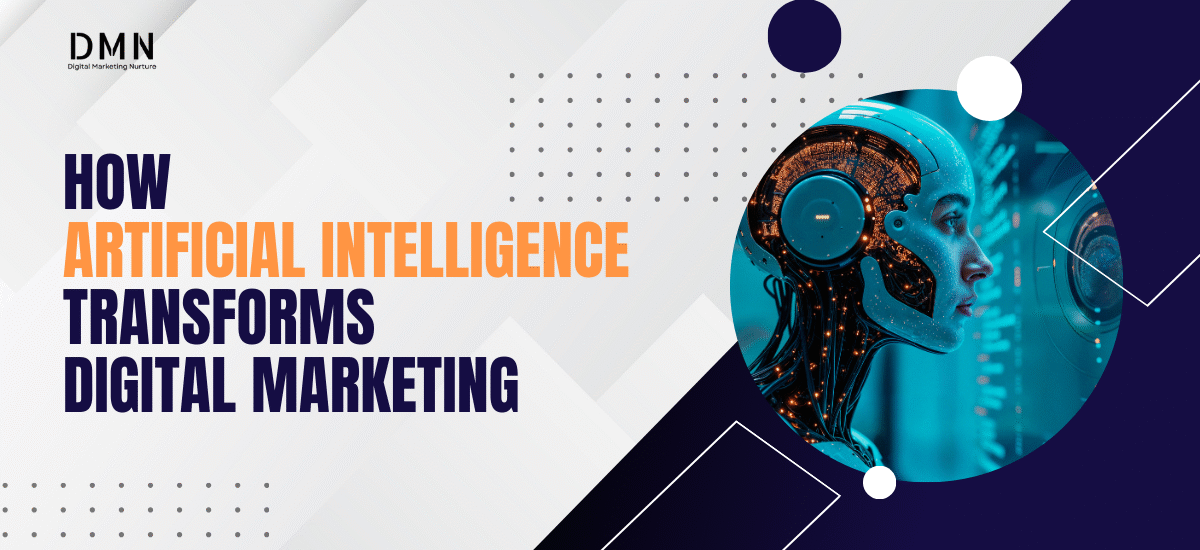
7 Powerful Ways Artificial Intelligence is Transforming the Job Market
Artificial Intelligence (AI) is changing the world faster than we ever imagined. From using voice assistants like Alexa to AI chatbots answering customer queries, we interact with AI every single day. But one of the biggest transformations happening right now is in the job market — especially in India.
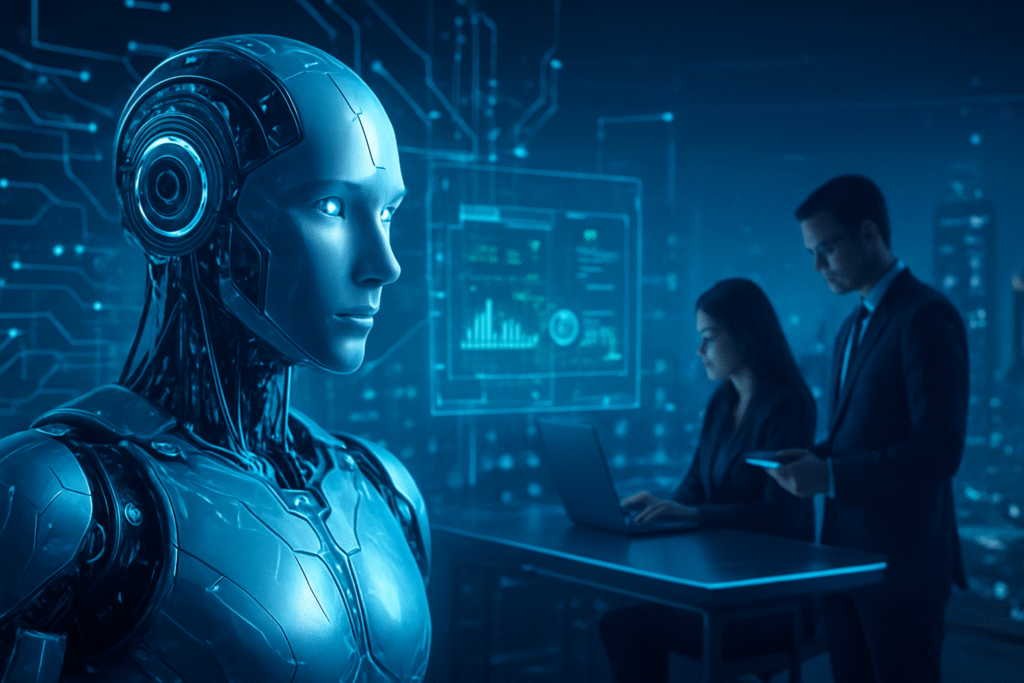
AI is reshaping industries, creating new job opportunities, and redefining the skills people need. Let’s explore how artificial intelligence is transforming the job market in India and what the future of work looks like.
-
Automation Is Redefining Work
Artificial intelligence has made it possible for machines and software to perform tasks that once required human effort. Many companies in India now use AI-powered tools for data entry, document sorting, and customer support. Chatbots, virtual assistants, and automated systems are handling millions of interactions daily.
This automation has increased speed and efficiency but also changed the kind of jobs available. Routine, repetitive roles are being reduced — while more creative, analytical, and technical roles are on the rise. In short, AI isn’t eliminating work; it’s changing how work is done.
-
New Job Roles Are Emerging
As artificial intelligence evolves, completely new job roles are being created. Positions such as data scientists, AI engineers, machine learning specialists, AI trainers, prompt engineers, and automation consultants are now in high demand.
In India, leading IT firms like Infosys, TCS, and Wipro, as well as startups in cities like Bengaluru, Pune, and Hyderabad, are hiring professionals who understand AI, data analytics, and cloud computing.
Even non-tech companies — in finance, healthcare, and manufacturing — now seek employees who can use AI tools to improve performance. The AI-driven job market is growing fast and promises long-term career opportunities for skilled professionals.
-
Changing Skill Requirements
As Artificial Intelligence transforms industries, the skills employers expect are also changing. Technical knowledge in Python, SQL, data analysis and machine learning is highly valuable.
However, it’s not just about coding. Employers are also looking for soft skills — creativity, communication, critical thinking, and problem-solving — because these are qualities AI can’t replace.
Upskilling is now essential. You can enroll on various courses which will help you to enhance you skills at Digital Marketing Nurture.
-
AI Is Transforming Multiple Industries
Artificial Intelligence isn’t limited to the tech sector. It’s influencing nearly every major industry in India.
-
Healthcare: AI helps doctors detect diseases early, analyze scans, and even perform robotic surgeries.
-
Finance: Banks use AI for fraud detection, automated customer support, and investment analysis.
-
Agriculture: Farmers use AI-based systems to predict weather, manage crops, and increase yields.
-
Manufacturing: Smart factories use AI-driven robots and sensors to boost safety and efficiency.
-
Education: Online learning platforms use AI to create personalized study plans for students.
-
Retail: Businesses use Artificial Intelligence to predict customer preferences, manage stock, and personalize marketing.
Every one of these examples shows how artificial intelligence is changing the nature of work and creating new opportunities across the Indian job market.
-
Growth of Startups and Entrepreneurs
India’s startup scene is one of the fastest-growing in the world, and AI is playing a major role in that growth. Startups in fields like healthcare, logistics, and education are using AI to solve real-world problems — such as improving medical access, managing deliveries, and personalizing learning experiences.
AI tools are also helping small businesses automate tasks like marketing, content creation, and customer engagement. This means even entrepreneurs with limited budgets can compete with larger companies by using smart AI-driven strategies.
-
Challenges in the AI Job Market
While the rise of Artificial Intelligence brings great opportunities, it also presents challenges. One major concern is job displacement — people in low-skill or repetitive roles may find it harder to adapt to automation.
The answer lies in reskilling and upskilling. Workers must continuously learn and adapt to stay relevant.
Another issue is the digital divide. Not everyone in India, especially in rural areas, has access to AI training or digital education. Bridging this gap is crucial to make sure the benefits of artificial intelligence reach everyone.
Finally, there are ethical issues — including data privacy and algorithmic bias. These need strong laws and responsible use of AI to ensure fairness and transparency.
-
The Future of Jobs in the AI Era
The Indian government is taking steps to prepare for an AI-powered future. The National Strategy for Artificial Intelligence (AI for All) aims to use AI to improve key areas like healthcare, education, agriculture, and smart cities.
Government programs like Digital India and Skill India are also encouraging digital literacy and AI education.
For individuals, the message is clear: embrace AI, don’t fear it. The more we understand and adapt to artificial intelligence, the more opportunities we can create for ourselves in the job market of the future.
Conclusion
Artificial Intelligence is transforming India’s job market in exciting and unexpected ways. It’s creating new career paths, redefining old roles, and changing how businesses operate. While automation may reduce some traditional jobs, it’s opening up endless opportunities for innovation, creativity, and problem-solving.
The key to thriving in this new era is continuous learning and adaptability. With the right mix of skills and mindset, anyone can find success in an AI-driven world.
AI isn’t replacing humans — it’s helping us work smarter, faster, and better. And as India embraces this transformation, the job market of the future looks more dynamic than ever before.