



7 Essential Cybersecurity Basics Every Internet User Should Know in 2025
INTRODUCTION
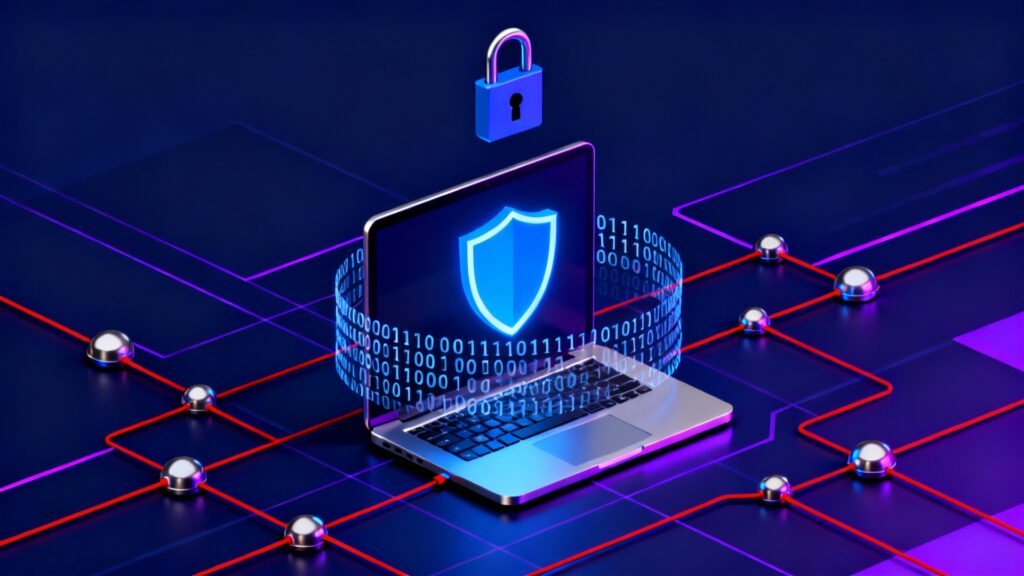
Technology in 2025 is smarter, faster, and more connected than ever. But with this growth, online risks are also increasing. From identity theft to AI-powered scams, every user—student, professional, or business owner—needs to understand the fundamentals of staying safe online.
This blog highlights the Cybersecurity Basics 2025 that everyone must follow to protect their data, devices, and digital identity.
What is Cybersecurity?
Cybersecurity means keeping your devices, online accounts, and personal information safe from digital threats. These threats include hackers, malware, and scams that target internet users. The main goal of cybersecurity is to protect your data from being stolen, destroyed, or misused.
Under this blog we’ll get to know what are the cybersecurity basics that should be know to every internet user and how they protect the data from hackers.
Use Strong & Unique Passwords
the most important basis of cyber security that every internet user should must know is to always use strong and unique passwords
How to protect yourself:
Use at least 12+ characters
Combine letters, numbers, and symbols
Avoid names, birthdays, or common words
Use a password manager to store all passwords safely
Enable Two-Factor Authentication (2FA)
The main component of cyber security is to Enable Two-Factor Authentication. 2FA adds a second layer of security, usually a code sent to your phone or email.
Why it matters:
Even if someone steals your password, they still can’t log in without the second verification step.
Tip: Turn on 2FA for banking apps, social media, cloud storage, and your email accounts.
Update Your Devices and Apps Regularly
Outdated software contains security holes that hackers can easily exploit. Keeping your system and applications up to date is a core cyber security basic every internet user should know
To stay safe:
Turn on automatic updates
Update apps you rarely use
Remove unused software
Keep your system antivirus updated
Regular updates block newly discovered threats.
Beware of Phishing Scams
Cyber security helps you identify and avoid phishing scams that trick users into revealing sensitive information. Phishing is the most common online scam in 2025. Scammers now use AI-generated emails and messages that look extremely real.
Signs of phishing:
Unknown sender
Urgent or threatening language
Suspicious links or attachments
Incorrect spelling or grammar
Safety rule: Never click a link without checking the URL. When in doubt, visit the official website manually.
Use Secure Wi-Fi & Avoid Public Networks
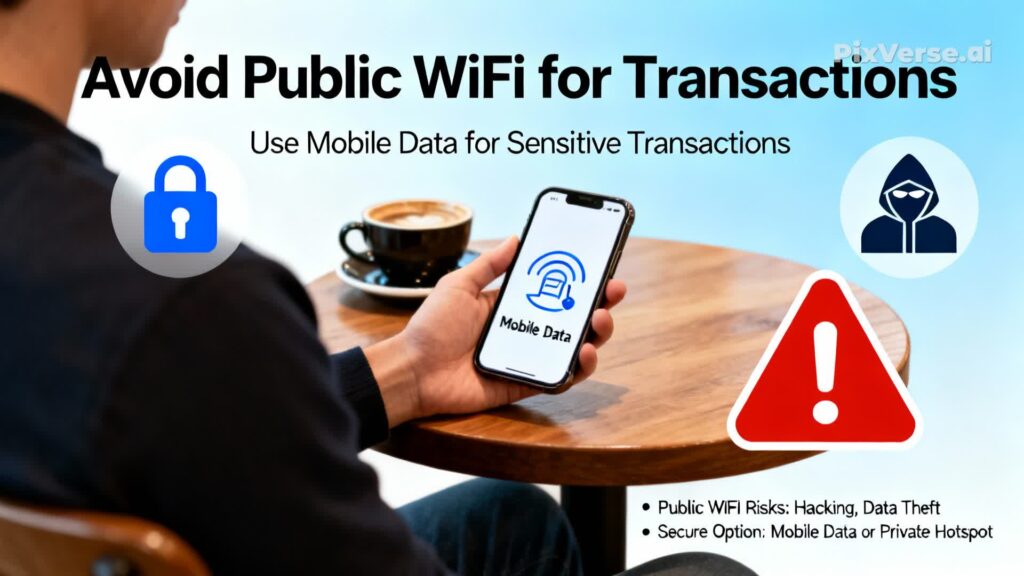
Connecting only to trusted and encrypted Wi-Fi is a vital cyber security basic every internet user should know. Public Wi-Fi is convenient but unsafe. Hackers can intercept your data easily.
Safe practices:
Use your mobile hotspot instead of public Wi-Fi
Turn off auto-connect
Use a VPN while accessing confidential information
This keeps your browsing private and protected.
Back Up Your Data Frequently
Regularly backing up your files is one of the most important cyber security basics every internet user should know. Sometimes, even after being careful, cyberattacks can cause data loss. Backing up your important files to an external hard drive or cloud service ensures you can recover them quickly if something goes wrong.
Stay Alert About Social Engineering
Social engineering means tricking you into revealing information.
In 2025, attackers use fake job offers, OTP requests, cloned profiles, and manipulated voice calls.
How to protect yourself:
Never share OTPs
Verify unknown callers
Check official email IDs before sharing details
Don’t overshare personal information online
Your awareness is your strongest defense.
Conclusion:
Cybersecurity is not only a concern for tech experts but also for everyday internet users. Building safer online habits—like using strong passwords, turning on two-step verification, and avoiding suspicious messages—can help protect your data and privacy. Staying alert and updated is the best defense in the connected world we live in