
The Power of Artificial Intelligence in Digital Marketing
Introduction
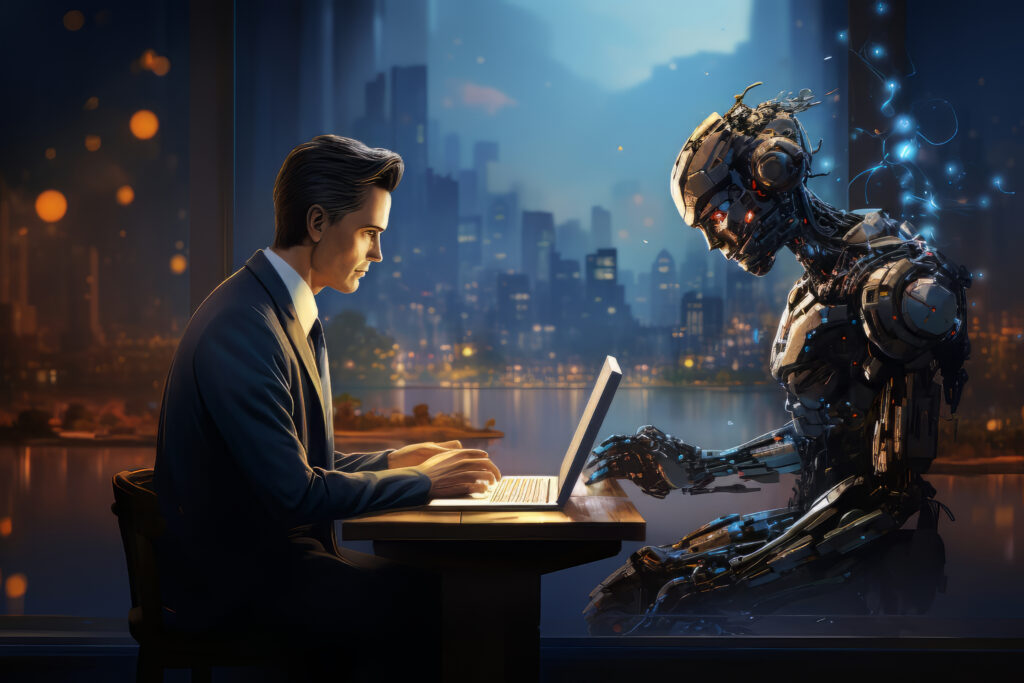
In 2025, Artificial Intelligence (AI) has become an inseparable part of digital marketing. It helps businesses automate tasks, understand customer behavior, and create personalized experiences that drive conversions. AI isn’t just about replacing manual work — it’s about enhancing creativity, efficiency, and decision-making.
From chatbots to predictive analytics, AI is transforming how brands communicate and compete in the digital space. Let’s explore how this technology is reshaping modern marketing.
1. Personalized Marketing at Scale
AI makes it possible to deliver hyper-personalized marketing at scale. Instead of generic campaigns, brands now create individual experiences for each userThe Power of Artificial Intelligence in Digital Marketing.
For example:
- E-commerce websites recommend products based on browsing history.
- Streaming platforms like Netflix suggest shows using AI-driven algorithms.
- Email marketing tools tailor subject lines and offers to each subscriber’s interests.
2. Smarter Advertising with Predictive Analytics
Traditional digital ads relied on trial and error. Now, AI-powered predictive analytics can forecast which campaigns will perform best — even before they’re launched.
Platforms like Google Ads and Meta Ads Manager use machine learning to optimize bids, placements, and audience targeting in real time. The result?
✅ Lower ad spend
✅ Higher click-through rates
✅ Improved ROI
AI also helps marketers analyze trends, predict conversions, and refine messaging — making advertising more efficient and data-driven.
3. AI in Content Creation and SEO
Content remains the core of marketing — and AI tools are revolutionizing how it’s produced and optimized.
- Generative AI tools like ChatGPT and Jasper help create blog posts, product descriptions, and social media captions.
- AI SEO tools such as Surfer SEO and Clearscope suggest keywords, optimize readability, and analyze competitors.
- Image and video generation tools like Canva Magic Studio or Pika Labs make visuals faster and more dynamic.
4. AI-Powered Chatbots and Customer Support
Customer expectations are higher than ever, and AI helps brands meet them 24/7.
AI chatbots and virtual assistants handle customer inquiries instantly — providing product recommendations, booking assistance, and post-purchase support.
For instance, brands like H&M and Sephora use AI chatbots to guide shoppers and improve user experience. These bots can understand context, tone, and even emotions using Natural Language Processing (NLP).
This leads to faster resolutions, happier customers, and reduced operational costs.
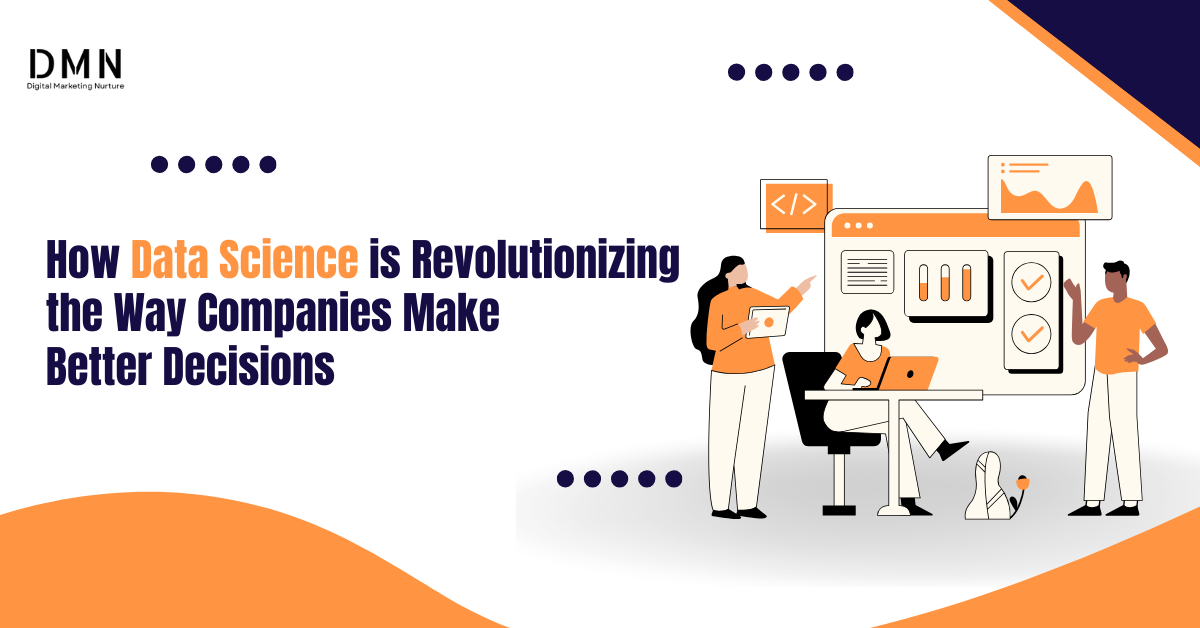
5. Data-Driven Decision Making
AI turns overwhelming data into actionable insights. It can identify patterns in user behavior, campaign performance, and sales data — enabling smarter business decisions.The Power of Artificial Intelligence in Digital Marketing.
For example:
- AI can forecast customer churn.
- Identify the most profitable audience segments.
- Recommend the best time to launch new campaigns.
6. Ethical and Strategic Challenges
While AI brings innovation, it also introduces ethical challenges. Data privacy, misinformation, and algorithmic bias are growing concerns.
Marketers must ensure transparency, secure data collection, and avoid over-automation that removes the human touch. The most successful strategies combine AI efficiency with human creativity and empathy.
7. The Future of AI in Digital Marketing
Looking ahead, AI will continue to redefine marketing through:
- Voice Search Optimization – for smart devices and assistants.
- Visual AI Recognition – enabling image-based search and shopping.
- Autonomous Marketing Agents – executing strategies without manual input.
The next evolution will focus on integration and intelligence — connecting AI across all touchpoints for seamless, real-time marketing automation.
Conclusion
The power of Artificial Intelligence in digital marketing lies in its ability to merge data with creativity. It allows brands to understand customers deeply, automate tasks efficiently, and innovate faster than ever before.
AI is not replacing marketers — it’s empowering them to make smarter decisions, create more impactful campaigns, and deliver exceptional experiences.
Those who embrace AI with ethical intent and strategic vision will lead the next generation of digital marketing success.