

Traditional Marketing and digital marketing: Discover what really works in 2025
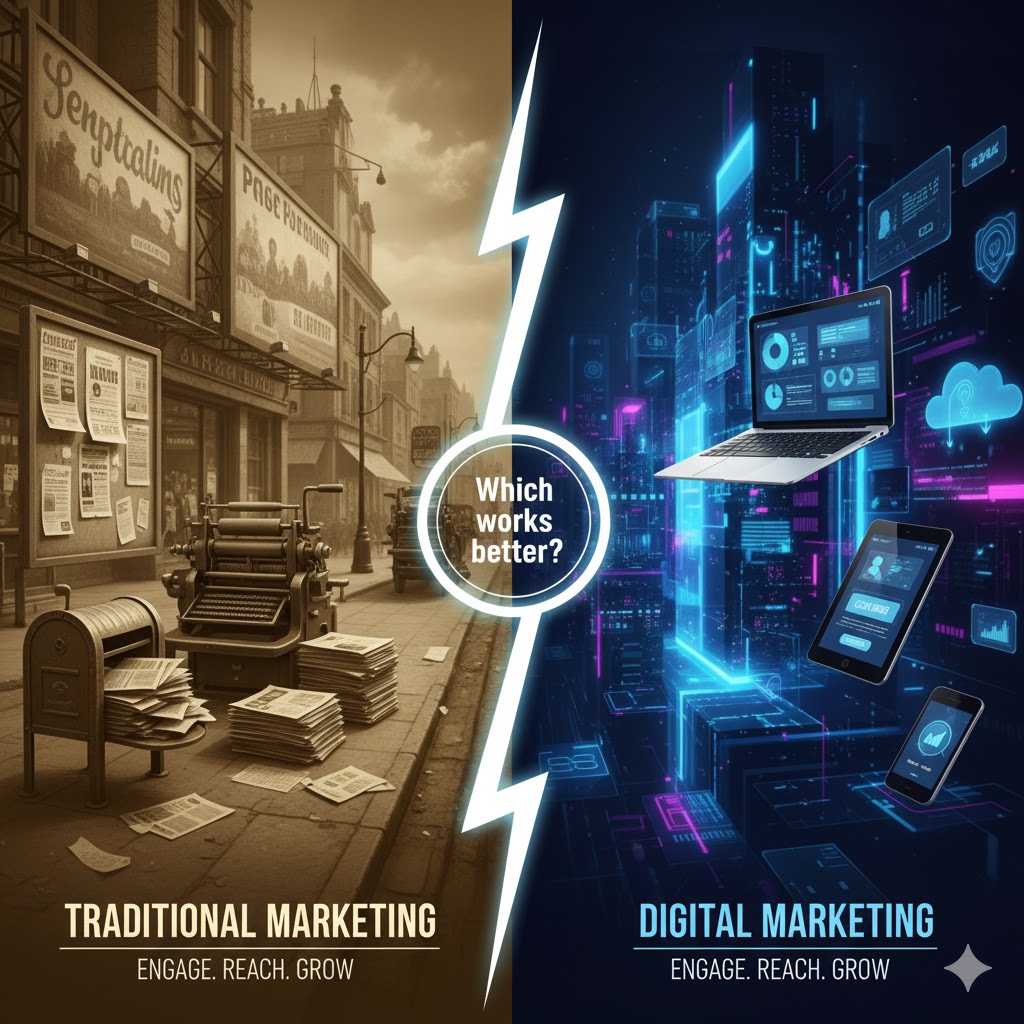
Traditional Marketing and Digital Marketing are two Methods which help to promote the brand. Marketing is all about promoting products and services and to attract new customers.
Traditional Marketing refers to the old, offline methods like newspapers, TV, radio, and billboards.
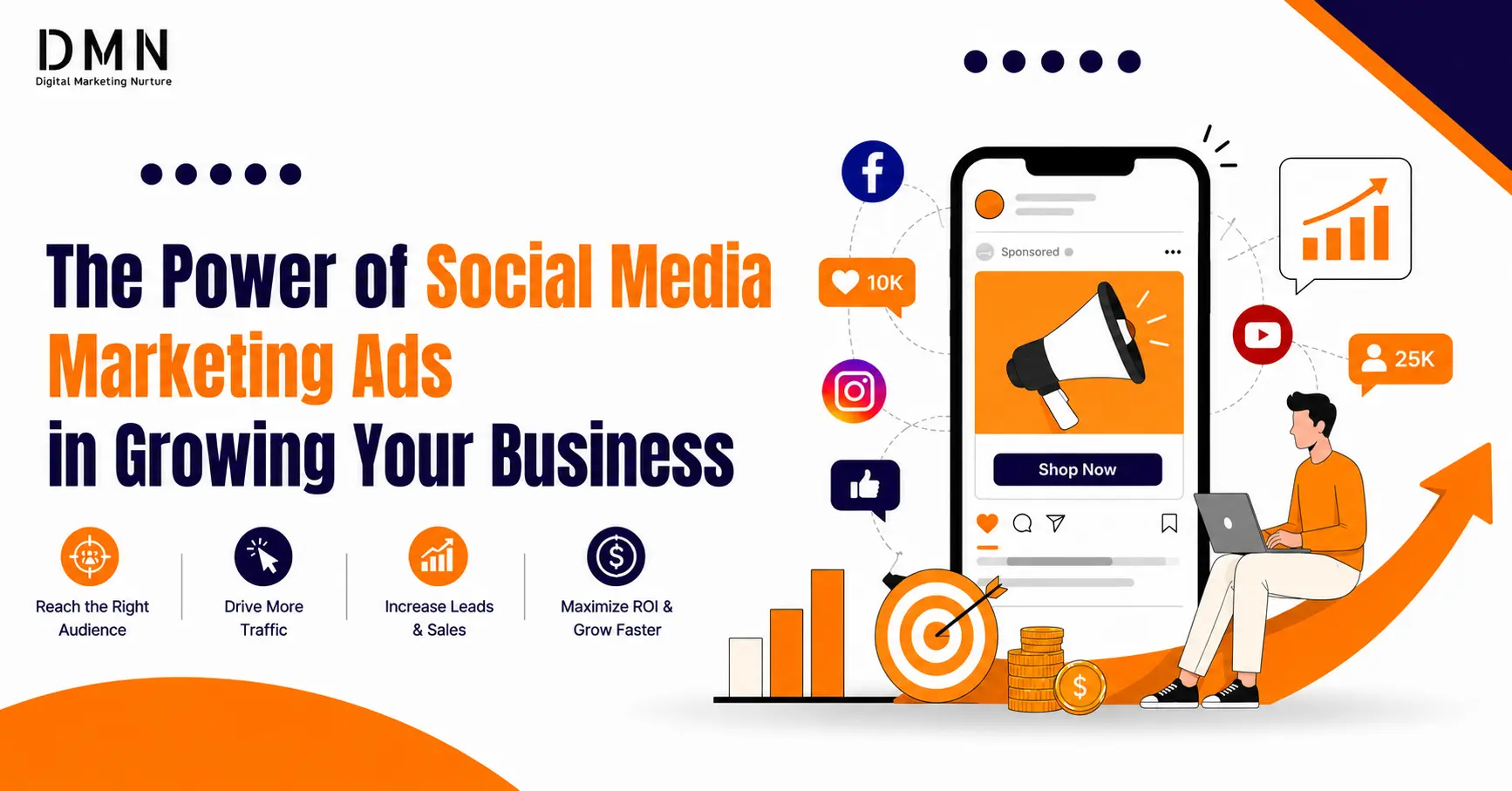
Digital Marketing uses online platforms like social media, websites, and emails to reach customers.
In this article, we understand what is the difference between Traditional Marketing and Digital Marketing and which works better?
What Is Traditional Marketing and Digital Marketing?
What Is Traditional Marketing?
- Traditional marketing means sharing your message using offline methods.
- Common ways include TV ads, newspaper or magazine ads, radio spots, billboards, and flyers.
- You see these ads in daily life—on the street, in the mail, or in a magazine at a doctor’s office.
What Is Digital Marketing?
- This includes ads on websites, Facebook, Instagram, YouTube, search engines like Digital marketing uses the internet to reach people. Google, and emails.
- It leverages digital tools and data analytics to target specific audiences with personalized, interactive content
If you see an ad while scrolling on your phone or get a promotional email, that’s digital marketing
How Do They Work?
Traditional Marketing
-
Good for reaching a general or local audience (like a city or town).
-
More expensive—TV and print ads cost a lot to run.
-
Harder to know exactly how many people saw or acted on your ad.
-
Feels more "real" because you can hold or see the ad in person.
Digital Marketing
-
Can reach people all around the world.
-
Cheaper to start—even a few hundred rupees can launch a campaign.
-
You can target specific groups, like teenagers in Mumbai or adults who love cricket.
-
Easier to measure results (likes, clicks, website visits, etc.).
Key Differences Between Traditional Marketing and Digital Marketing
Key Distinctions between traditional marketing and digital marketing
| BASIS | Traditional Marketing | Digital Marketing |
|---|---|---|
|
Cost |
traditional costs a lot more |
Digital is more affordable |
|
Targeting |
traditional is broader. |
Digital is precise |
|
Speed |
traditional takes time to create and publish |
Digital is instant |
|
Tracking |
traditional relies on estimates or surveys. |
Digital gives exact numbers for results. |
|
Interaction. |
traditional is one-way. |
Digital is interactive—you can comment, share, or click |
|
Reach |
traditional is often local or regional. |
Digital is global |
Which Is Better?
Digital Marketing: The Rising Star
Precision targeting which improves conversion rates by delivering relevant ads to the right audiences.
Lower costs and better scalability, especially beneficial for startups and small businesses.
Real-time analytics that enable businesses to optimize campaigns immediately.
Global reach that allows brands to connect with customers beyond local markets.
Trends toward mobile, voice search, AI, and automation which digital marketing is poised to leverage effectively.
Traditional Marketing: Still Valuable in Key Areas
Building strong brand authority and trust through tangible media like print and outdoor advertising.
Reaching older demographics or local audiences who may be less active online.
Supporting integrated campaigns that blend offline visibility with online engagement.
Industries where visual presence in physical locations, like retail or real estate, is important.
Challenges and Considerations
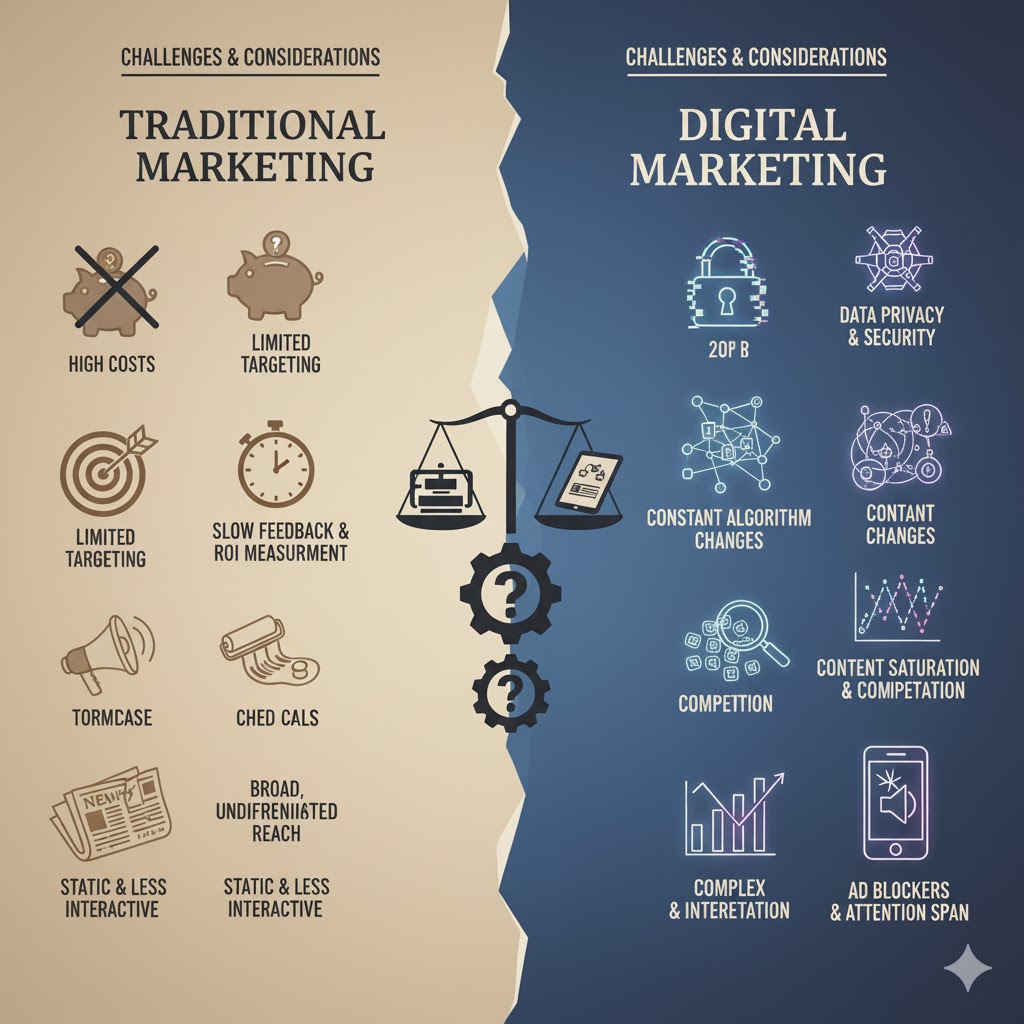
Digital marketing requires continuous learning and technical skills to keep up with evolving platforms and algorithms.
Traditional marketing might involve higher upfront costs with slower feedback loops.
Privacy and data regulation compliance are critical in digital marketing to maintain consumer trust.
Market and audience characteristics should guide the choice: some demographics respond better to one form over the other.
Conclusion:
In 2025, digital marketing generally works better for most businesses, especially those seeking cost-effective, targeted, and measurable results. It’s agile, scalable, and aligns with consumer behavior trends toward online shopping and digital interactions.
However, traditional marketing continues to hold value, of our old methods to build trust, brand recognition etc. This is the first channel of marketing.
To sum up everything that has been stated so far both the marketing channels i.e traditional marketing and digital marketing helps to grow your business but in todays fast pacing world people are shifting from traditonal methods to digital methods